
admin-su
- Posted on
Navigating Local Healthcare at Eppinghofer Straße 171
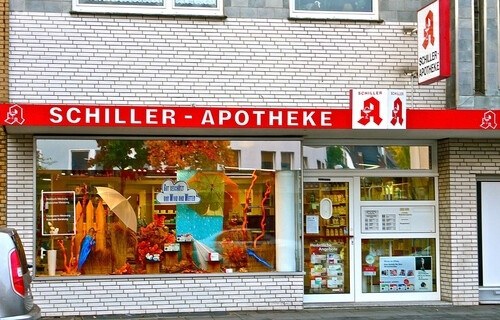
Imagine a sudden, sharp pain in your chest or a fever hitting your child at 6:00 PM on a Wednesday. You realize the medicine cabinet is empty and the local supermarket won’t help. You grab your keys, head out into the cool air, and look for that familiar red “A” sign glowing in the dusk. The Schiller-Apotheke in Mülheim is a traditional brick-and-mortar pharmacy located at Eppinghofer Str. 171, 45468 Mülheim. It acts as a neighborhood medical hub where you can pick up prescriptions and over-the-counter supplies during their daily hours.
Understanding the Weekly Rhythm of Service
Timing is everything if you want to stop by. This pharmacy doesn’t follow a standard nine-to-five schedule; its hours change depending on the day. Planning your visit around these specific windows can prevent a wasted trip, especially if you are dealing with a time-sensitive health issue. On Mondays and Tuesdays, they are open from 8:30 am until 6:30 pm. That’s a decent window for anyone working a daytime shift to stop in after work. If you find yourself running late from the office, these evening hours are your primary opportunity to secure medications before the weekend begins. Wednesday is the exception. The doors close early, with service only running from 8:30 am until 1:00 pm. Residents should keep this mid-week gap in mind if they need something on a Wednesday afternoon. If you realize mid-day that you are running low on a daily maintenance medication, such as blood pressure or allergy pills, make sure to visit before the noon cutoff. Once Thursday rolls around, the full-day service is back. The shop also stays open until 6:30 pm on Fridays. This Friday window is crucial for stocking up on weekend essentials, think pain relief, bandages, or fever reducers, so you aren’t left scrambling when the shops close for the weekend.
| Day | Opening Hours |
|---|---|
| Monday | 8:30 am – 6:30 pm |
| Tuesday | 8:30 am – 6:30 pm |
| Wednesday | 8:30 am – 1:00 pm |
| Thursday | 8:30 am – 6:30 pm |
| Friday | 8:30 am – 6:30 pm |
| Saturday | Closed |
| Sunday | Closed |
The pharmacy is closed on Sundays. If you have an emergency over the weekend, you’ll need to rely on the Notdienst (emergency service) rotation used throughout Germany. These emergency rotations are organized by region, meaning a pharmacy in a nearby district will be designated to cover Mülheim during off-hours. You can usually find the nearest open Notdienst pharmacy by checking the sign posted on the door of the Schiller-Apotheke or by looking for local announcements in the town center.
The Logistics of Local Pharmacy Access
There is a lot of talk about digital pharmacy services lately, but the experience in Mülheim is still centered on the physical storefront. In an era of instant gratification and one-click ordering, the Mülheim location maintains a more traditional approach to healthcare delivery. Digital options are limited here. For instance, this specific location notes that online ordering isn’t available for this branch. You’ll need to visit in person for most transactions. You can’t just click a button and have a prescription delivered to your door by this shop. This requirement ensures that the pharmacist can personally verify your identity and the validity of your prescription, which is a cornerstone of German pharmaceutical safety. Other branches under the Schiller name might offer more tech-heavy options. The Schiller Apotheke Köthen, for example, has a dedicated mobile app. Through that app, customers can order medicine and health products from home. It’s a different way of doing things compared to the hands-on service at the Mülheim location. While the app-based model offers convenience for non-urgent items like vitamins or skin care, the Mülheim model prioritizes the physical consultation. For those who do prefer the digital route, the Schiller-Apotheke Mülheim site is a good reference for how these neighborhood shops work in a changing world.
Comparing Regional Pharmacy Models
The name “Schiller” pops up often in Germany, but the service models change depending on where you are. A new resident might get confused by the different offerings and expect the same digital tools in Mülheim that they saw advertised for other branches. In Hamburg, the Schiller Apotheke focuses on a different urban demographic. They use social media to stay connected with a more digitally-active audience. This might include posting updates about new skincare lines or seasonal wellness tips to engage a younger, tech-savvy city population. Over in Göppingen, the Schiller-Apotheke is in the Kernstadt area, geared toward a high-traffic urban center. Pharmacies in these high-traffic zones often prioritize speed and high-volume turnover, catering to commuters who need a quick pick-up during a busy workday. The Mülheim branch at Eppinghofer Str. 171 is more about serving a local, residential area. It’s less about social media and more about being a reliable stop on a neighbor’s daily route. This model fosters a sense of community; the pharmacist often becomes a familiar face to the people living in the surrounding apartment blocks and houses. Is every pharmacy in Germany like this? German pharmacies are highly regulated. You won’t see them selling alcohol or tobacco like you might in other countries; they are strictly medical environments. The layout is designed for clinical efficiency and privacy. That “A” sign is a standard identifier. It tells you the pharmacist is a trained professional who can give clinical advice, not just a retail clerk. This professional status is legally protected, meaning only qualified pharmacists and their trained assistants can work within these walls.
Essential Preparation for Your Pharmacy Visit
To make your visit to the Schiller-Apotheke as efficient as possible, it helps to understand what you should bring with you. Unlike a supermarket where you can simply grab a box off a shelf, a pharmacy visit often requires specific documentation.
What to Bring
- Valid Identification: Always carry your ID, as it may be required for certain regulated medications or for insurance verification.
- Insurance Card (Versichertenkarte): In Germany, your health insurance card is vital. For many prescription medications, the pharmacist needs to scan this card to process the claim directly with your provider.
- The Physical Prescription: While “E-Rezept” (electronic prescriptions) are becoming the standard in Germany, you may still encounter traditional paper prescriptions. Ensure you have the physical document if your doctor provided one.
- Current Medication List: If you are seeking advice on a new supplement or a different brand of a current medication, having a list of what you already take is invaluable for the pharmacist’s safety check.
Common Scenarios at the Counter
Whether you are dealing with a minor ailment or a chronic condition, you can expect different levels of interaction:
| Scenario | Expected Interaction | Outcome |
|---|---|---|
| Over-the-Counter (OTC) | Brief consultation on symptoms. | Pharmacist recommends a product like cough syrup or lozenges. |
| Prescription Medication | Verification of insurance and prescription validity. | Pharmacist prepares the medication and explains dosage. |
| Medical Advice Request | In-depth discussion regarding symptoms or drug interactions. | Detailed guidance or a suggestion to see a doctor if symptoms are serious. |
Navigating the German Pharmacy System
When you walk into a German pharmacy, you’re entering a regulated healthcare space. It isn’t just a shop; it’s a specialized medical facility. Many newcomers struggle with the difference between an Apotheke and a Drogerie. A *Drogerie* sells cosmetics, cleaning supplies, and basic wellness items. A *Drogerie* is where you buy shampoo, toothpaste, and household detergents. An *Apotheke* sells medications, both prescription and over-the-counter. If you have a prescription from a doctor, you have to go to an *Apotheke*. A *Drogerie* can’t help you with that. Trying to use a prescription at a drugstore is a common mistake for expats that results in a wasted trip. The staff in an *Apotheke* are trained to check for contraindications. They’ll look at your current medications to make sure a new prescription won’t cause a bad reaction. For example, if you ask for a common decongestant but the pharmacist sees you are already taking a medication that raises blood pressure, they will provide a safer alternative. This professional oversight is why people stick to specific local spots. They want a pharmacist who knows their history and understands their specific health needs. * Prescription Fulfillment: Mandatory for all regulated drugs. * Consultation: Professional advice on dosage and side effects. * Availability: Stocking of specialized medical supplies. * Emergency Services: Integration into the national duty roster. The Mülheim location works within this framework. Even if you can’t order online, the in-person medical advice is the main reason people go there. Some might say the lack of online ordering at the Eppinghofer Straße location makes it less “modern” than others. But for a resident who wants a face-to-face talk to make sure they’re taking the right medicine, the traditional model offers a kind of security an app can’t. In a medical context, sometimes the human element is more important than the digital one.
A few things readers ask
What do people call pharmacies in Germany?
In Germany, pharmacies are called ‘Apotheke’.
What services does Schiller-Apotheke offer in Mülheim?
Schiller-Apotheke provides prescription fulfillment, professional medical advice, and specialized healthcare products.
Can I get prescription medication at Schiller-Apotheke?
Yes, they accept all standard German prescriptions for both acute and chronic medications.
Is Schiller-Apotheke located in Mülheim?
Yes, this pharmacy is located within the Mülheim area to serve the local community.
Can I get advice from a pharmacist at Schiller-Apotheke?
Yes, the pharmacy provides expert consultation on medication usage and health products.
